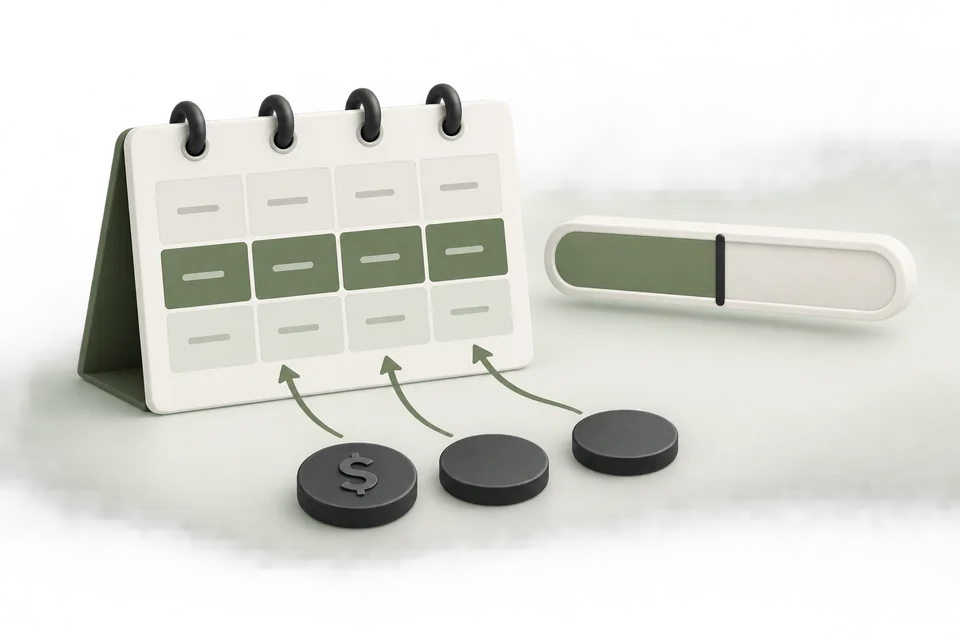
Use a report that explains the decision behind the numbers. This template separates platform delivery, measured website activity, and business outcomes, with explicit fields for the reporting window and attribution definition.
Download the reporting template ↓Start with definitions
Fill in the account, currency, timezone, dates, primary conversion, and source systems before adding results. Record when data was last refreshed and whether the period or business follow-up is incomplete.
Keep unknown values blank and explain why they are missing. A zero should mean the source reported zero, not that somebody has not collected the value. When the report depends on tagged website arrivals, build those destinations with the UTM URL Generator so source, medium, and campaign stay consistent across creatives.
Explain spend and customer quality
The report includes a pacing section for the original allocation, approved revisions, actual spend, and remaining plan. It also includes a separate business-outcome section for qualification, orders, refunds, or other relevant outcomes.
Use the same outcome definitions across periods. If the tracking implementation or event definition changes, mark the date and describe which comparison is affected.
Finish with decisions and owners
Write what the team decided, the evidence supporting it, and the next review date. “Increase budget” needs the proposed amount, scope, and approval. “Investigate tracking” needs the missing observation and a responsible owner.
Keep the report short enough to read while retaining links to the underlying evidence. Schedule recurring delivery only after the manual version has been checked.