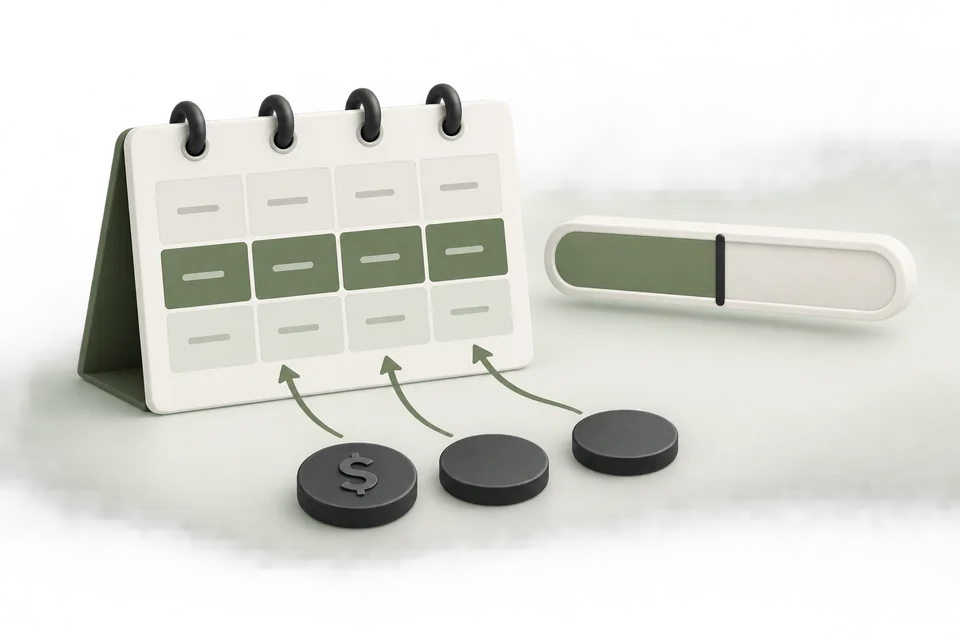
A scheduled report is useful when the recipient knows what period and outcome it describes. Choose the reporting definition before choosing the delivery time. Avoid an automatic email that repeatedly sends numbers nobody can interpret or act on.
Define the report
Select the advertiser account and the metrics needed for the decision. Record the timezone, completed reporting period, conversion definition, and attribution context. Decide whether the report supports daily operations or a less frequent business review.
Use complete dates for comparisons where possible. If the current day is included, label it as partial. Missing source data should remain visible rather than appearing as zero spend or zero conversions.
Configure the available schedule
Open Tools → Reports and choose Schedule report. Give the schedule a name, choose the ad account and report columns, and select Daily, Weekly, or Monthly. These use yesterday, the previous seven days, or the previous calendar month respectively. Owners, admins, and members can create reports and schedules; viewers can read existing reports. Email me when there is a result requires the workspace’s email capability. Review notification preferences before enabling delivery.
First create or inspect a report manually. Confirm that its fields and period answer the intended question before scheduling repeated delivery. A schedule does not correct a wrong account selection or an ambiguous conversion definition.
Give the report an owner and a next action
Assign someone to review delivery, measurement issues, pacing, and business outcomes. Separate an operational alert from a client summary. The alert should identify a condition requiring investigation; the summary should explain the decisions made during the period.
Use thresholds appropriate to the campaign and sample size. A low-volume account can produce noisy percentage changes. Include the underlying counts so recipients can judge the scale of the observation.
Inspect the first scheduled result
Check the reporting window, data freshness, delivery status, and recipient list after the first run. Confirm that links open the correct workspace or public resource and that no credentials appear in the output.
If the run fails, inspect the saved error and configuration instead of creating duplicate schedules. Open Settings → Notifications to update or pause the existing schedule when the account, owner, or reporting requirement changes.
Sources and verification
Advarde workflow and permission controls reviewed on 19 October 2026. Consult the linked provider references for account-specific platform requirements. Your account may expose a different set of features. Examples are illustrative unless a dataset is explicitly supplied.