Lead generation works when the campaign produces the right conversations, not simply the most form submissions. Define what makes a lead qualified and how the team will record the next outcome before launching traffic.
Match the offer to a buying situation
Describe the problem, service scope, geography, and expected next step. A consultation offer should explain who it is for and what happens after booking. Use context hints that match that decision.
Avoid creating a campaign for every keyword variation. Start with distinct customer situations that warrant different messages or destinations.
Measure accepted and confirmed actions
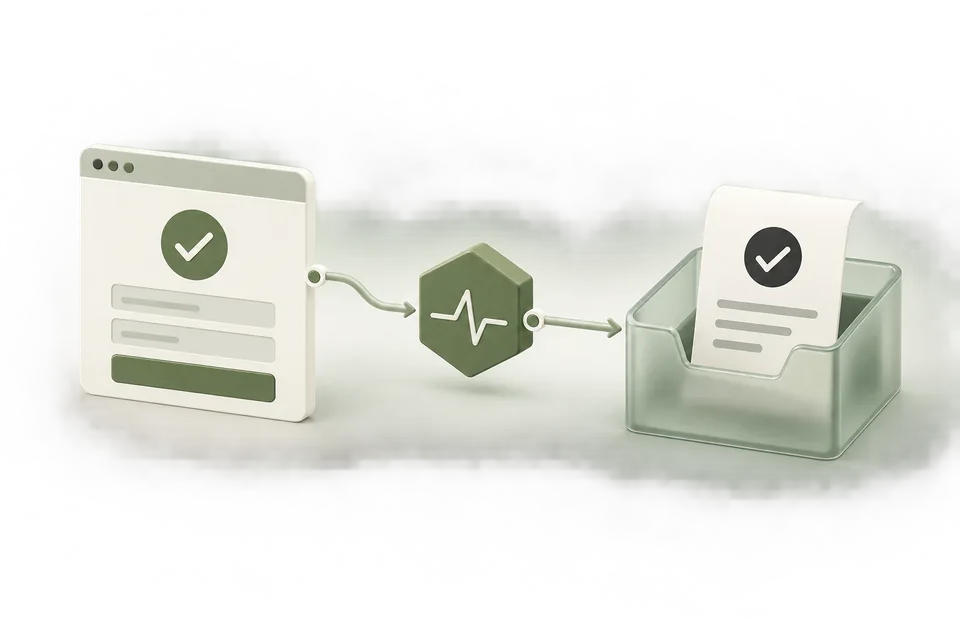
Use the lead-generation or booking preset as a starting point. Fire a lead event after the server accepts the form and an appointment event after the booking system confirms the slot.
Do not count a submit-button click as a successful enquiry. Test invalid forms, unavailable appointments, and repeated confirmation pages alongside the successful path.
Budget from qualified outcomes
If a won customer contributes $800 and 10% of qualified leads close, the expected contribution per qualified lead is $80 before other acquisition costs. Keep the qualified-lead definition consistent with the close rate used in that calculation.
A raw lead rate and a qualified-lead close rate cannot be combined without accounting for qualification. Use a conservative scenario where the evidence is incomplete.
Close the reporting loop
Record qualification, booked appointments, attendance, and customer outcomes in the business system. Keep platform attribution and your business attribution definition explicit when comparing results.
Agree who follows up and when the cohort is mature enough to evaluate. A delayed sales process can make a recent campaign look unproductive even when leads have not yet been worked.